
Loading...
Serving Stephenville, TX and surrounding areas. (254) 362-0219
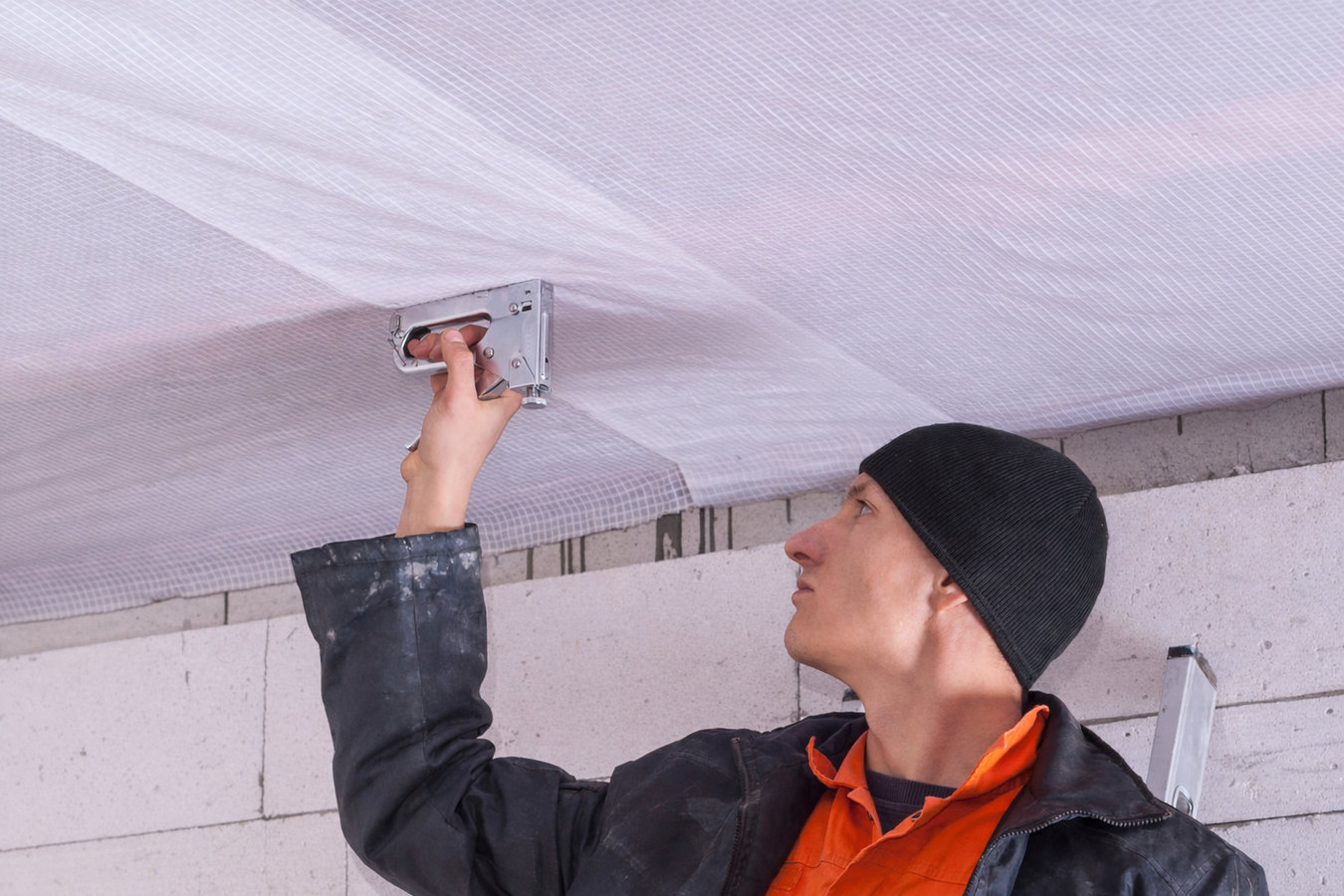
Clay soil under your home stays wet year-round. Professional vapor barrier installation cuts off ground moisture before it reaches your floors, your framing, and your air quality.
Vapor barrier installation in Stephenville involves laying heavy plastic sheeting across the dirt floor of your crawl space to block ground moisture from rising into the home - for most single-family homes, the job is completed in one day and you can stay in the house the entire time.
Ground moisture is the kind of problem that does not announce itself until the damage is already visible. By then, you are dealing with soft floors, musty smells, or worse. In Stephenville, the clay-heavy soil in Erath County holds water close to the surface long after rain - which means your crawl space is under moisture pressure for most of the year. A vapor barrier installed with properly sealed seams and wall termination cuts that pathway off completely. If you suspect your crawl space already has a barrier from decades ago, crawl space vapor barrier replacement is often more cost-effective than trying to patch deteriorating thin-gauge material.
For homes where moisture is only part of a larger energy-loss picture, vapor barrier work pairs well with attic air sealing to address the full building envelope from top to bottom.
Areas of your floor that give slightly when you walk on them are often a sign the wood underneath has been absorbing moisture for a long time. In Stephenville homes with clay soil underneath, this kind of damage develops gradually over years without any obvious water event. It is worth having someone look before the problem spreads to the structural framing.
A persistent earthy or musty smell inside your home, especially in rooms near the floor, is one of the most common signs of crawl space moisture. Stephenville's summer rain patterns can saturate clay soil quickly, and without a barrier, that moisture moves straight up into your living space. If the smell comes and goes with the weather, the crawl space is almost certainly the source.
Water droplets on metal pipes or HVAC ducts under the house mean ground moisture is actively moving through the crawl space and condensing on cooler surfaces. This is a clear warning sign. Left alone, it leads to rust on metal components and rot on wood ones - both of which are expensive to repair once they are established.
Many Stephenville homes built before the 1990s were never fitted with a vapor barrier, or had only a thin sheet of plastic that has since torn or shifted. If you have owned your home for years and no one has ever looked under it, you may already have a moisture problem you do not know about yet. A quick inspection from a local contractor costs nothing and takes less than an hour.
We install vapor barriers in crawl spaces, basement wall systems, and other moisture-entry points for homes across Erath County and the surrounding region. Every installation includes a thorough assessment of the crawl space before any material goes down - we check for standing water, existing material, mold, pest activity, and access constraints before we give you a price. For homes where a standard ground barrier is the right solution, we install heavy-duty polyethylene sheeting with overlapped, taped seams and proper wall termination so there are no gaps for moisture to sneak through. This is the same approach recommended by the Energy Star crawl space sealing program.
For homes where moisture is coming from more than one source, we also discuss full crawl space encapsulation options and can pair a ground barrier with crawl space vapor barrier upgrades that include wall coverage. We will always start with what your home actually needs rather than the most expensive option. Call us and we will tell you where to start.
The standard solution for most Stephenville homes - covers all exposed dirt with sealed, overlapping seams to stop ground moisture at the source.
For homes where moisture enters along the foundation walls as well as the floor - sheeting runs up the walls and is mechanically secured for a complete seal.
Suited to older Stephenville homes where degraded thin-gauge plastic or deteriorated insulation needs to be cleared before new material can be installed correctly.
For homes with more serious moisture problems - we assess whether full wall and ceiling coverage is warranted and explain the cost difference versus a standard barrier.
Stephenville summers regularly push into the upper 90s with meaningful humidity, especially in July and August. That combination drives moisture upward through the soil and into crawl spaces more aggressively than in drier climates. Homeowners often notice musty smells or soft flooring in late summer - a sign the crawl space has been absorbing moisture all season long. The same freeze-thaw cycles that crack concrete driveways in winter also release stored moisture from clay soil in repeated cycles, adding stress to wood framing through every season. Homeowners we work with in Cleburne deal with this same combination of humid summers and clay-heavy soil, and vapor barrier installation is one of the most consistent first steps we recommend.
A large share of Stephenville's housing stock was built in the 1960s through the 1980s - a period when vapor barriers were rarely installed in new construction. If your home is more than 30 or 40 years old and you have never had the crawl space inspected, there is a reasonable chance it has no barrier at all, or one that has degraded beyond usefulness. This is especially common in neighborhoods near Tarleton State University, where rental properties often have deferred maintenance from years of tenant turnover. Homeowners across the region - including in Granbury - face the same aging housing stock challenge and turn to vapor barrier installation as a foundational step before taking on other home improvements.
The U.S. Department of Energy's guidance on crawl space moisture identifies ground vapor barriers as a standard, high-impact solution for homes in humid climates. Read the DOE crawl space guidance for background on why ground barriers work - then call us to find out what your specific home needs.
Reach us by phone or through our contact form. We ask a few basic questions about your home and what prompted the call. You do not need to have any answers ready - the contractor will gather what they need when they come out.
We access your crawl space and check current conditions - standing water, existing material, mold, pest activity, and how much space there is to work in. This visit is free and forms the basis of your written estimate, which breaks down materials and labor clearly.
The crew lays the barrier across the entire crawl space floor, overlaps and tapes all seams, and runs the material up the foundation walls. For a typical Stephenville home, this takes most of a single day. Your prep is minimal - just clear the crawl space access point and let the crew know if there are any obstacles nearby.
Once the work is complete, we walk you through what was installed and show you photos if the space is too tight to inspect yourself. There is no curing or drying time needed - the barrier is effective immediately. If you notice any issues in the weeks after installation, we come back to address them.
We offer a free, no-obligation crawl space inspection. We will tell you honestly what we find and what your home actually needs - no upselling, no pressure.
(254) 362-0219We do not give prices over the phone without seeing the space. Every job starts with a free crawl space inspection so you know exactly what you are paying for. That visit also protects you - we will tell you if you have a drainage problem that needs to be addressed before the barrier goes in, rather than letting you pay for work that will not solve the actual problem.
We use heavy-gauge sheeting - the kind that holds up through plumbing and HVAC service calls, not the thin plastic you find at a hardware store. Seams are overlapped and taped. Edges are run up the walls and fastened. A barrier installed with gaps or loose seams gives you a false sense of security while moisture still gets through.
We are a local business with a real address in Stephenville - not a crew that drives in from another market. We know the housing stock here: the older neighborhoods near downtown, the homes built in the 1960s and 1970s near Tarleton State, and the rural properties on the edge of town. That local knowledge shows up in how we assess jobs and what we recommend.
We are a local business that stands behind every job. Each project starts with a free written estimate and ends with documentation of the work done, so you have a clear record of what was installed. If something is not right after the job is done, you have a way to reach us.
Most of our work comes from word of mouth in Stephenville and the surrounding communities. That is because we do the job right the first time and answer the phone when something comes up later.
Seals gaps in your attic floor and ceiling plane so conditioned air stays inside and outside air stays out - the top-of-house counterpart to crawl space moisture control.
Learn MoreTargeted crawl space moisture protection using heavy-gauge plastic sheeting with sealed seams and wall termination for Stephenville homes on dirt crawl space foundations.
Learn MoreStephenville's clay soil stays wet and humid summers push moisture upward - a properly installed vapor barrier fixes that before you see the damage. Call today for a free estimate.