Loading...
Serving Stephenville, TX and surrounding areas. (254) 362-0219
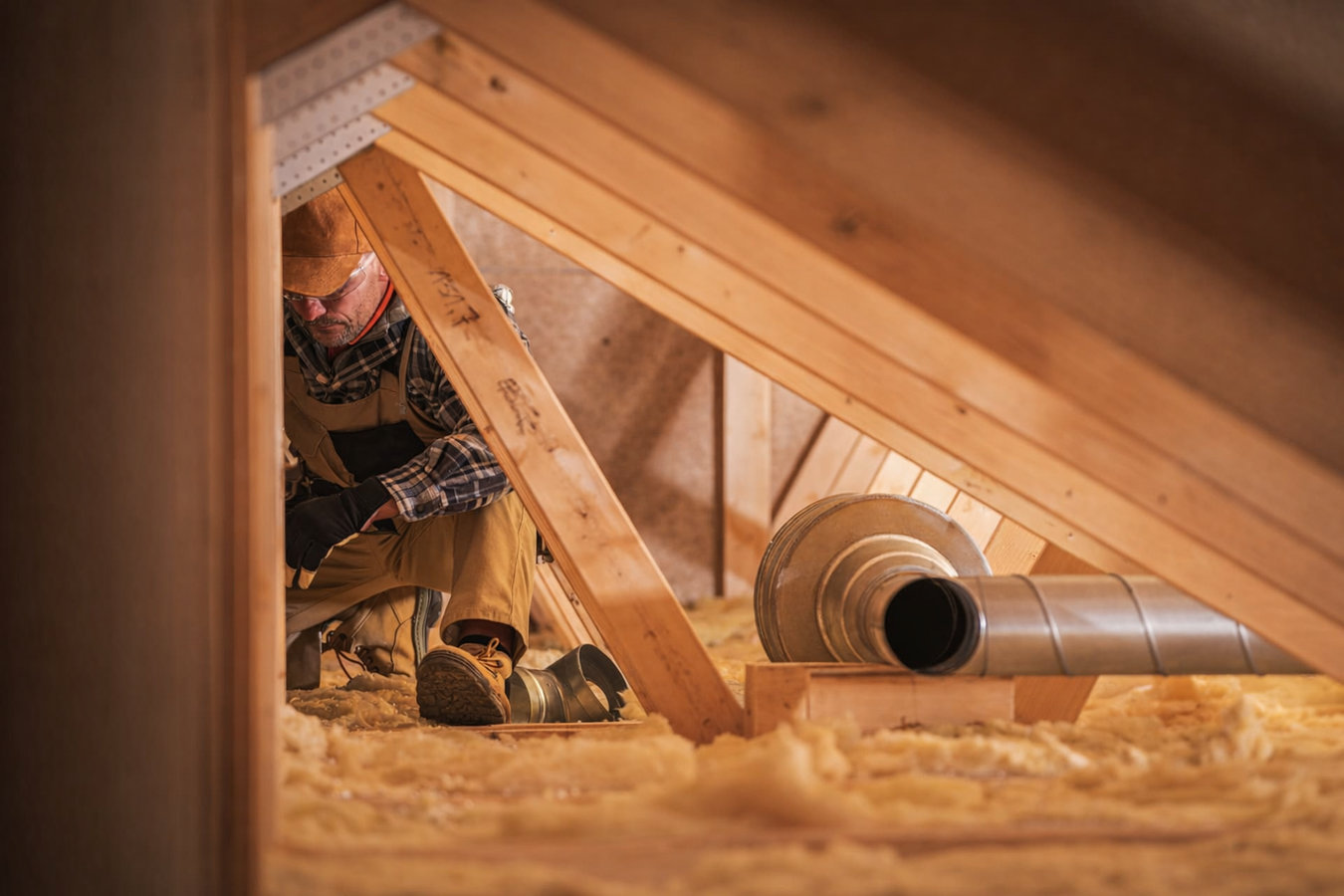
High bills, uneven temperatures, and rooms that never quite feel right all point to the same problem. The right insulation in the right places fixes it - and the improvement is noticeable fast.
Home insulation in Stephenville, TX slows heat movement through your attic, walls, and floors - keeping summer heat out and winter warmth in, with attic upgrades typically completed in a single day and noticeable comfort improvements within the first hot week after installation.
The attic is almost always the best place to start. Heat rises, and Stephenville attics can hit temperatures that overwhelm even a well-maintained air conditioning system when the insulation below them is thin or degraded. Many homes in the area were built in the 1960s through 1980s with original insulation that has never been replaced - material that has had decades to settle, compress, and lose effectiveness. If your home is in that category, it is likely contributing to your high summer bills every single day.
Home insulation is not one thing - it covers your attic, walls, and crawl space, and the right approach depends on what is already there and where the biggest gaps are. We handle all of it. When existing insulation is too far gone to build on, we also do insulation removal before the new material goes in. And for homeowners who have been putting off upgrades for years, our retrofit insulation work is designed specifically for existing homes that were not built with today's efficiency standards in mind.
If your electric bill climbs well above what a similarly sized home nearby pays during Stephenville's long, hot summers, your insulation is likely the culprit. When the attic is not doing its job, your air conditioner runs almost continuously trying to compensate for heat pouring in from above. You should not have to choose between a comfortable home and an affordable power bill.
If the bedroom at the end of the hall is always 5 to 10 degrees warmer than the rest of the house in July, or if one room never seems to warm up in January, the insulation in that area is thin, missing, or damaged. Uneven temperatures from room to room are one of the clearest signs your home's thermal envelope has gaps - especially common in Stephenville homes built before 1990.
Hold your hand near an electrical outlet on an exterior wall on a hot summer day. If you feel warm air coming through, your wall insulation and air sealing are both failing. The same test works in winter - drafts near outlets or baseboards on cold mornings mean outside air is finding its way in. These are things you can check yourself in about five minutes.
Stephenville's clay soils hold moisture, and that moisture can migrate into crawl spaces - especially after heavy rain. If you have noticed a musty smell from floor vents, or if any area of your floor feels slightly soft underfoot, moisture may have already compromised the insulation beneath your floors. This is worth having a contractor look at before the problem spreads.
If any of this sounds familiar, give us a call. A short conversation usually tells us whether a free in-home assessment makes sense.
We assess and insulate the full home, not just the attic. The attic is usually where the biggest gains are, but walls and crawl spaces contribute to heat loss too - especially in older Stephenville homes that were built before wall insulation was standard. We use blown-in for attics and wall cavities, spray foam where moisture or air sealing is the primary concern, and batt insulation in situations where it is the right fit. Before any material goes in, we seal the air gaps that let conditioned air escape and outdoor heat sneak in. That air sealing step is what the ENERGY STAR program identifies as the most commonly skipped step in residential insulation work - and it is one we never skip.
For homes where old insulation is damaged, wet, or contaminated by pests, we remove the compromised material before installing new. We also handle retrofit insulation for existing homes that were never properly insulated in the first place - a common situation in the older neighborhoods throughout Stephenville. Every recommendation we make is based on an actual in-person assessment, not a phone estimate.
The highest-impact upgrade for most Stephenville homes - adding blown-in or spray foam to bring the attic to the recommended depth for this climate zone.
Dense-pack blown-in for older wall cavities that were built with little or no insulation, installed through small access holes without opening drywall.
Insulation and vapor barrier work under your floors to address moisture and heat loss from below - critical for homes on Erath County's clay soils.
Sealing gaps around fixtures, pipes, and framing joints before any insulation goes in - the step that determines how much of your investment you actually feel on your bill.
Stephenville sits in the Cross Timbers region of North-Central Texas, where summer temperatures regularly climb above 100 degrees and stay there for weeks at a time. That kind of sustained heat means your attic becomes an oven that radiates warmth into your living space all day and well into the night - and if your insulation is thin or old, your air conditioner cannot keep up no matter how well it is maintained. A large portion of Stephenville's housing stock dates from the 1960s through the 1980s, and many of those homes were built to insulation standards far lower than what is recommended for this climate today. Homeowners who have lived in the same home for decades and never had an insulation upgrade are often losing energy every single day without realizing the cause.
Stephenville also gets real winters - overnight lows regularly drop into the 20s and 30s in December and January, and ice storms are not unusual. Many older homes in the area were insulated primarily with summer cooling in mind, leaving them underprepared for cold snaps. Proper home insulation here needs to work in both directions. Homeowners in areas like Granbury face the same climate and the same older housing conditions. Clay-heavy soils also mean crawl space moisture is a real concern for homes in this area - which is why we check before we install and recommend a vapor barrier when it is needed.
When you reach out, we ask about your home's age, heating and cooling setup, and what has been bothering you - high bills, uneven temperatures, or drafts. This usually takes less than 10 minutes and helps us decide whether a phone estimate is enough or whether we need to come out first. We reply within one business day.
A contractor walks through your home checking your attic, crawl space, and any accessible wall cavities. We look at how much insulation is already there, whether it is in good condition, and where the biggest gaps are. You do not need to prepare anything - just make sure the attic hatch and crawl space entry are accessible.
After the assessment, you receive a written estimate that breaks down what we recommend, what materials we will use, and the total cost. A good estimate explains why each item is recommended - not just lists a price. This is the time to ask questions and compare quotes if you choose to.
Most attic insulation jobs in a typical Stephenville home are completed in a single day, often in four to six hours. You can stay home during the work. The crew handles all setup, seals air gaps, installs insulation, and cleans up before leaving. We provide the documentation you need for any tax credit or rebate.
Free in-home assessment. Written quote before any work starts. We reply within one business day.
(254) 362-0219We walk through your attic, walls, and crawl space before we suggest anything. The right type of insulation and the right depth depend on what is already there and what condition it is in. A contractor who quotes over the phone without looking is guessing - and that guess often leads to a job that does not perform the way it should.
Most of the energy loss in a poorly insulated home comes through small gaps around light fixtures, plumbing penetrations, and framing - not through the insulation material itself. We seal those gaps before installing anything, because the two together deliver far better results than insulation alone. This follows what the North American Insulation Manufacturers Association recommends for best-practice installations.
A large share of Stephenville's homes were built in the 1960s through 1980s - a period with low insulation standards and construction practices that vary from what you find in newer homes. Our crew knows what to expect in those attics, how to work around older framing, and what issues to look for before they become problems.
Erath County's clay soils hold water, and that moisture can migrate into crawl spaces and quietly damage insulation over time. We check for moisture before installing anything under your floors, and we will tell you if a vapor barrier needs to go in first. Skipping that step to save money upfront usually leads to a bigger and more expensive problem later.
A home insulation project is only as good as the assessment behind it. We do the work to understand your home before we make any recommendation - so you end up with the right solution, not just the easiest one to sell.
Have a question we did not cover? Call us or send a message - we are happy to give you a straight answer.
Safe removal of old, damaged, or contaminated insulation before new material is installed - required when what is there cannot simply be built on.
Learn MoreTargeted insulation upgrades designed specifically for existing homes that were built with standards well below what is recommended today.
Learn MoreSchedule your free in-home estimate today - summer in Erath County waits for no one, and our calendar fills up fast once the heat arrives.