
Loading...
Serving Stephenville, TX and surrounding areas. (254) 362-0219
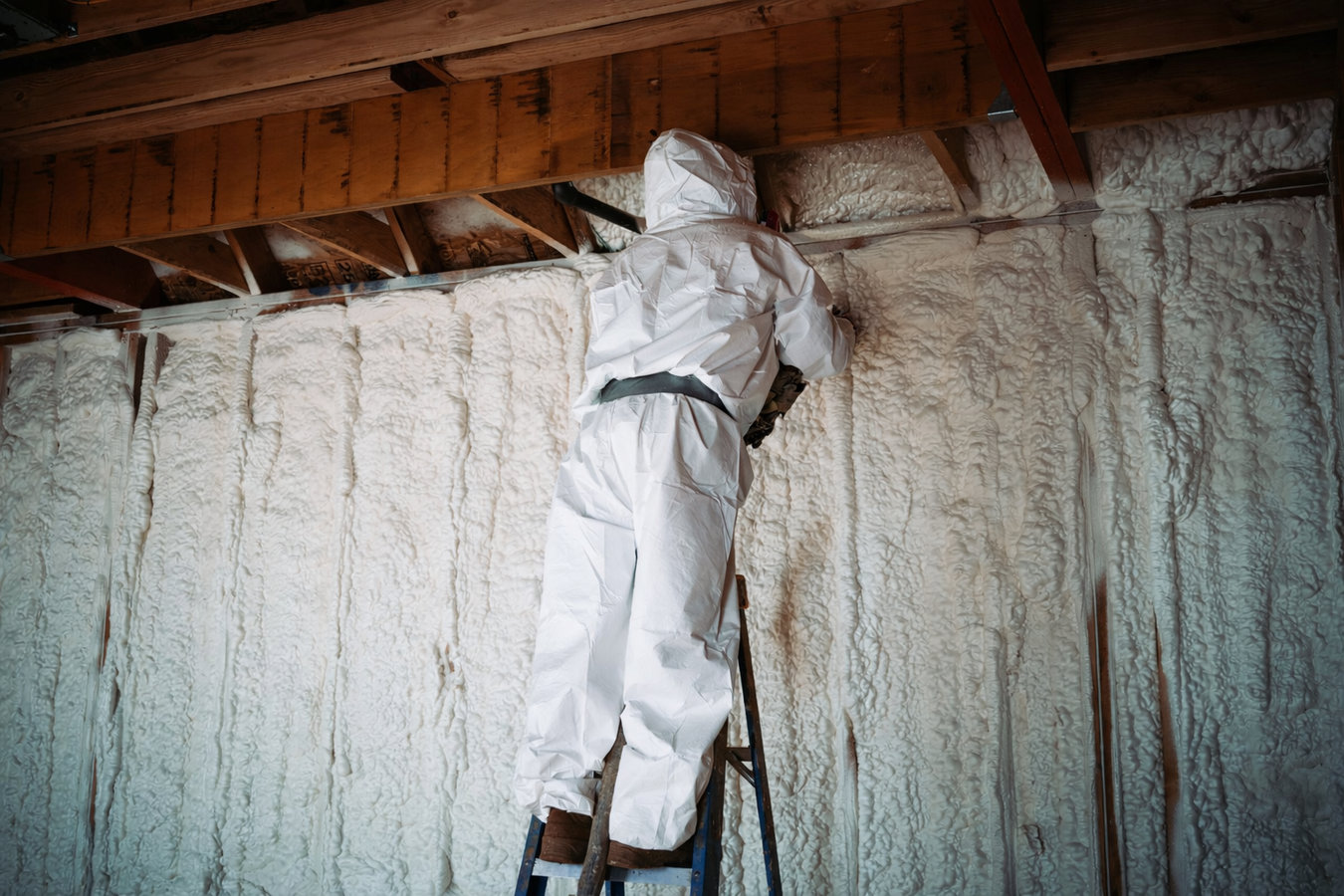
Closed-cell foam insulates and air-seals in a single application - stopping the conditioned air losses that drive up your bills and make certain rooms uncomfortable all summer long.
Closed-cell foam insulation in Stephenville is a two-part liquid sprayed onto surfaces where it expands, hardens, and bonds permanently - insulating the space and sealing air gaps at the same time, and most residential jobs are complete in one to two days.
Unlike fiberglass batts or blown-in cellulose, closed-cell foam stops both heat transfer and air movement in a single application. That combination is especially valuable in Stephenville, where summer highs push past 100 degrees and even small air leaks let enormous amounts of heat into your home. Homes built before the 1990s in this area often have gaps around plumbing, wiring, and framing that have never been sealed - and foam addresses all of that at once.
Many homeowners choose closed-cell foam alongside open-cell foam insulation - using the denser closed-cell product in moisture-prone areas like crawl spaces and rim joists, and open-cell where cost efficiency matters more.
If your cooling costs jump sharply from May through September and your HVAC runs almost constantly, your home is likely losing conditioned air faster than it should. In Stephenville's climate, a well-insulated home holds a comfortable temperature without the air conditioner cycling on every few minutes. Inadequate insulation is one of the first things worth investigating.
Walk through your home on a hot July afternoon and notice whether some rooms feel significantly warmer than others, even with the AC running. Uneven temperatures are a classic sign that air is leaking in or out through gaps in the building envelope - often in the attic or at the tops of exterior walls. This is especially common in Stephenville homes built before the 1990s.
Hold your hand near an electrical outlet on an exterior wall on a windy day. If you feel air movement, that is outside air finding its way through gaps in the wall cavity. Stephenville sees strong spring winds, and those winds push air through every small opening in the building shell - a problem that closed-cell foam addresses directly.
If you notice a damp or musty odor from your attic or through your ceiling after heavy rain, moisture is getting in somewhere. Spring storm season in North-Central Texas brings enough rain and humidity to cause condensation in poorly sealed attics. Closed-cell foam seals those entry points and resists moisture absorption, which cuts off the conditions that cause that smell.
We apply closed-cell foam to attics, crawl spaces, rim joists, basement walls, and exterior wall cavities throughout Stephenville and Erath County. For attics, the foam is sprayed on the underside of the roof deck or on the attic floor - the right approach depends on whether you want a conditioned or unconditioned attic space, and we will explain the difference before you decide. For crawl spaces and basements, closed-cell foam is the preferred material because of its moisture resistance. We also coordinate with spray foam insulation projects where a combination of materials makes more sense for your home's layout and budget.
The federal government currently offers a tax credit for qualifying insulation upgrades - it is worth asking your tax preparer about the IRS Energy Efficient Home Improvement Credit before you file, as closed-cell foam upgrades are among the qualifying improvements.
Best for homeowners wanting a fully conditioned attic space or dealing with persistent summer heat gain through the roof deck.
Targets the most common air-leak point in older homes - the framing gap where the floor system meets the foundation wall.
Ideal for homes with pier-and-beam construction or moisture-prone crawl spaces where rigid board alone is not enough.
Suited to older Stephenville homes with brick exteriors where existing wall insulation has degraded and needs a real replacement.
Stephenville sits in the Cross Timbers region of North-Central Texas, where summer highs regularly push past 100 degrees and winter nights can drop below freezing. That roughly 130-degree swing between a July afternoon and a January night puts enormous stress on any insulation system. Closed-cell foam handles those extremes better than most alternatives because it does not shift or settle as temperatures cycle, which means the seal it creates on day one is still working years later. Homes here also see strong spring winds that force air through every small gap in the building shell - another problem foam addresses directly.
A significant share of Stephenville's housing stock was built in the 1950s through 1980s, when insulation standards were far less demanding. Many of those homes have attics with thin, compressed fiberglass or no wall insulation at all. We work throughout Erath County, including in Mineral Wells and Cleburne, where the same older housing stock and similar climate conditions make closed-cell foam one of the most impactful upgrades available.
We respond within one business day. We will ask about your home's age, which areas you want treated, and any comfort problems you have noticed - so we come to the visit prepared.
We walk through your attic, crawl space, or the areas you want treated. We check what is already there, how accessible the space is, and whether moisture or structural issues need to be addressed first. You get a written estimate before any work is scheduled.
Clear stored items from the attic or crawl space, and arrange for your family and pets to be out of the home for at least 24 hours after spraying. We will tell you exactly what to expect so there are no surprises on installation day.
Spraying typically takes a few hours to a full day depending on the scope. After the re-entry window, we walk you through the finished work and remove all masking materials. If anything looks off to you, that is the time to point it out.
Free estimate - no obligation. We reply within one business day.
(254) 362-0219Every closed-cell project starts with a free on-site assessment and a written estimate, so you know the scope and price before any work begins. When the job is done, we hand over documentation of the products and R-values installed - a clear record that helps when you sell your home.
We work in Stephenville and across Erath County year-round - not as a regional crew passing through. We know the housing stock, the soil conditions, and the seasonal patterns that affect how insulation performs here. That local knowledge shapes every recommendation we make.
Closed-cell foam quality depends heavily on surface temperature and chemical ratios at the time of application. We check conditions before spraying - not after - because brittle or shrinking foam means the job has to be redone. Getting it right the first time is how we protect your investment.
We follow installation guidelines from the Spray Polyurethane Foam Alliance, the national trade organization for spray foam contractors. Their standards exist to ensure the job is done safely and correctly - not just fast. Following them is a baseline we do not compromise on.
Closed-cell foam is one of the most effective and durable insulation upgrades available, and it deserves to be installed by someone who takes that seriously. That is the standard we hold ourselves to on every Stephenville job.
A lighter, more affordable foam option suited to interior applications where moisture resistance is less of a priority.
Learn MoreOur full spray foam service covers both closed-cell and open-cell applications across attics, walls, and crawl spaces.
Learn MoreSchedule your free assessment today and have the work done before the next round of 100-degree days arrives.