Loading...
Serving Stephenville, TX and surrounding areas. (254) 362-0219
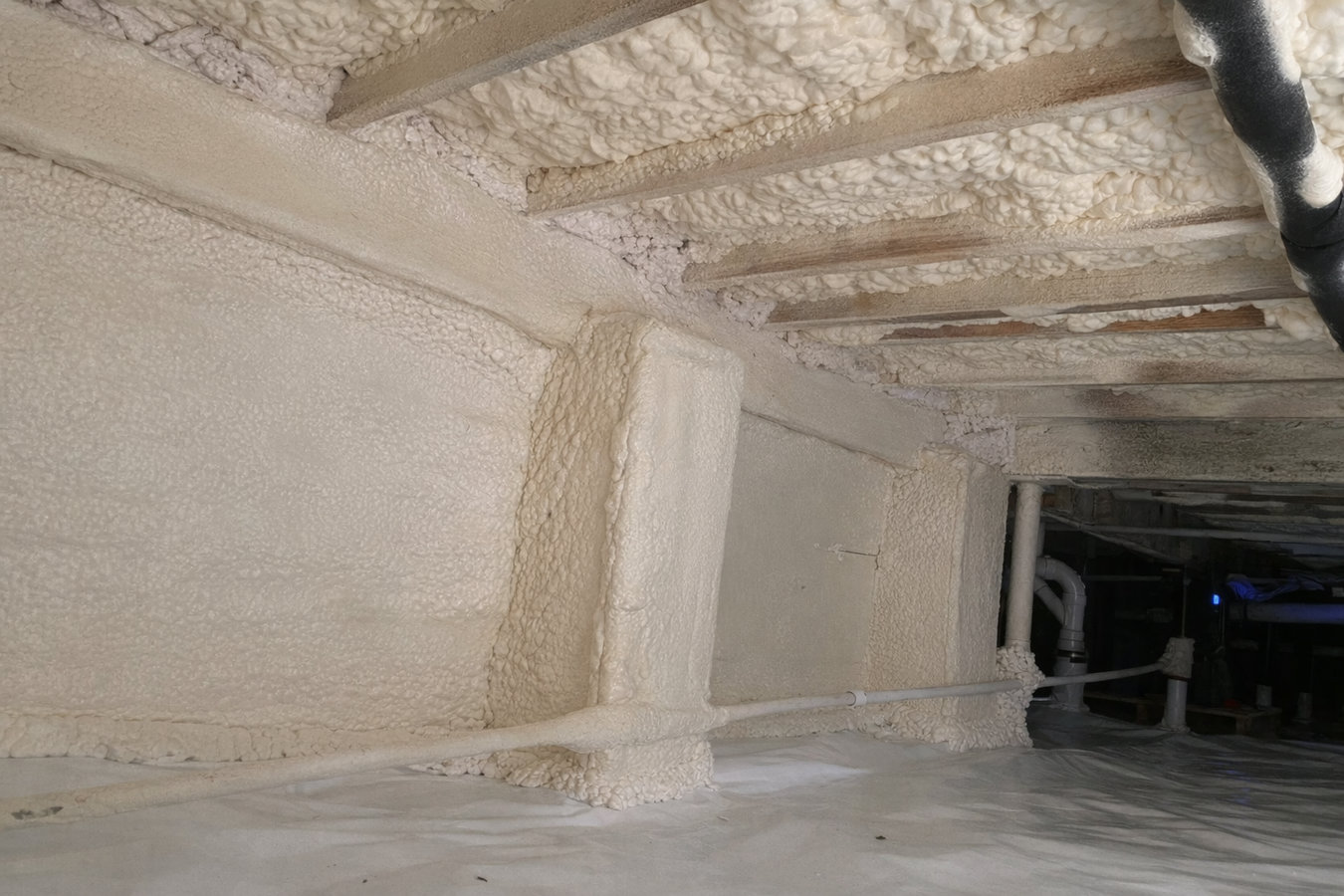
Cold floors in January, sky-high electric bills in summer, a persistent musty smell - all signs the space under your home needs attention. We seal and insulate crawl spaces to fix the problem at its source.
Crawl space insulation in Stephenville creates a thermal barrier between the ground air beneath your home and the living spaces above it, addressing cold floors, high energy costs, and moisture-driven air quality issues - most projects completed in one to two days with no need to leave your home.
Without insulation under the floor, your home exchanges heat with the ground all year long. In a Stephenville summer, hot ground air rises through an unprotected crawl space and makes your air conditioner work double time. In January, that same unprotected space lets cold air chill your floors and leave your pipes at risk. It is one of the most overlooked sources of energy waste in North Central Texas homes.
Many homeowners pair crawl space insulation with wall insulation or a crawl space vapor barrier for a more complete solution - especially in older homes where multiple areas have been underperforming for years.
If you walk across your kitchen or living room floor in January and it feels cold through your socks, the crawl space below is likely letting cold air reach the underside of your subfloor. This is especially common in Stephenville homes built before the 1990s, where crawl space insulation was minimal or has since fallen away.
Clay soils around Stephenville hold moisture, and that moisture can work its way into an unprotected crawl space. A persistent musty smell - especially after rain or during humid stretches - often means moisture is sitting under your home and creating conditions where mold can develop.
If you can see through the crawl space access that insulation has drooped away from the subfloor or that daylight comes through foundation gaps, the thermal barrier under your home is compromised. This is a straightforward visual check any homeowner can do without tools.
After the February 2021 freeze, many Stephenville homeowners discovered their crawl spaces offered almost no protection for water pipes. If your pipes were at risk during that event - or any hard freeze since - that is a strong signal the crawl space needs better insulation and air sealing around the foundation.
We install crawl space insulation using two main approaches: insulating the underside of the subfloor - the floor-cavity method - and sealing and insulating the crawl space walls to create a conditioned enclosure. The wall method, often called encapsulation, tends to perform better in Stephenville's climate because it keeps ground moisture and outside air out of the space entirely. We assess your specific crawl space before recommending one over the other. For homes with existing damaged or fallen insulation, we handle removal first so new material goes in clean.
We frequently combine crawl space insulation with a crawl space vapor barrier to control ground moisture, and with wall insulation in homes where the thermal envelope needs attention in multiple areas. Doing both in one visit saves time and typically improves overall results compared to scheduling them separately.
Best for homes where the crawl space is vented and adding a full encapsulation system is not practical or cost-effective.
Suited to homeowners who want the most thorough moisture and thermal control - especially in homes with clay soil or a history of damp crawl spaces.
For crawl spaces where existing material has fallen away, become moldy, or was damaged by moisture - starts fresh for lasting performance.
A complete under-home treatment for properties where both heat loss and ground moisture are contributing to comfort and energy problems.
Stephenville sits in the Cross Timbers region of North Central Texas, where summer temperatures regularly climb above 100 degrees and winters can swing from mild to a hard freeze within days. That temperature range puts real stress on an uninsulated crawl space - your floors absorb cold in January and radiate heat in July, making your home uncomfortable and your energy bills unpredictable. The clay-heavy soils throughout Erath County compound the problem: they hold moisture and push ground water upward into crawl spaces, especially after heavy spring rains. Many homeowners here find that moisture control needs to happen alongside insulation, not as an afterthought.
The older housing stock in Stephenville's established neighborhoods adds another layer of urgency. Many homes built between the 1960s and 1990s have either no crawl space insulation, degraded material that has long since lost its effectiveness, or insulation that was installed in a way no longer considered best practice. Homeowners in Mineral Wells and Cleburne face similar challenges - homes across this part of North Central Texas were built in the same era and share the same climate pressures. A crawl space inspection often turns up more than homeowners expect once someone actually gets under the floor.
Contact us by phone or the estimate form and tell us what you have noticed - cold floors, high bills, or visible issues under the house. We respond within one business day to schedule a free site visit at your convenience.
We go into the crawl space and check existing insulation, look for moisture or mold, measure the space, and note anything that needs to be addressed before new material goes in. This visit is always free and typically takes 30 to 60 minutes.
You receive a written quote that breaks down exactly what is recommended, what materials will be used, and what the total cost will be. Every item is explained - you should never approve work you do not understand.
The crew works in and around the crawl space while you stay in your home. Most jobs take one full day. Before leaving, a lead installer walks you through what was done and answers any questions about what to expect over the following weeks.
No pressure, no obligation. We come out, take a look, and give you a clear written quote before you commit to anything.
(254) 362-0219Insulation installed over a wet or damp crawl space will fail early. Before we recommend any material or quote a price, we check the space for standing water, mold, and moisture sources. A contractor who skips that step is setting you up for a repeat problem.
Clay-heavy soils and the older housing stock around Stephenville create specific challenges under older floors. We work on homes like yours regularly and know what to look for - including moisture pathways that are not obvious without experience in this area.
Every crawl space project starts with a free on-site assessment and a written estimate, so you know the scope and price before any work begins. We document the materials and R-values installed, giving you a clear record of the completed job.
Everything in our written estimate is explained before you sign anything. If we find something unexpected once we are in the crawl space, we tell you about it clearly and explain what it means for the job - not after the work is done.
Every crawl space job we complete is built on the same foundation: assess the space honestly, address what is actually there, and install material that will hold up in Stephenville's climate for years - not just until the next wet spring.
The U.S. Department of Energy publishes detailed guidance on crawl space insulation approaches and when encapsulation makes sense for different climate zones.
Extend your thermal envelope to the walls of your home for more consistent comfort in every room.
Learn MoreControl ground moisture under your home to protect insulation, wood framing, and air quality from humidity damage.
Learn MoreHard freezes come fast in North Central Texas - get the space under your home properly insulated now so your pipes and your comfort are protected before the cold arrives.