Loading...
Serving Stephenville, TX and surrounding areas. (254) 362-0219
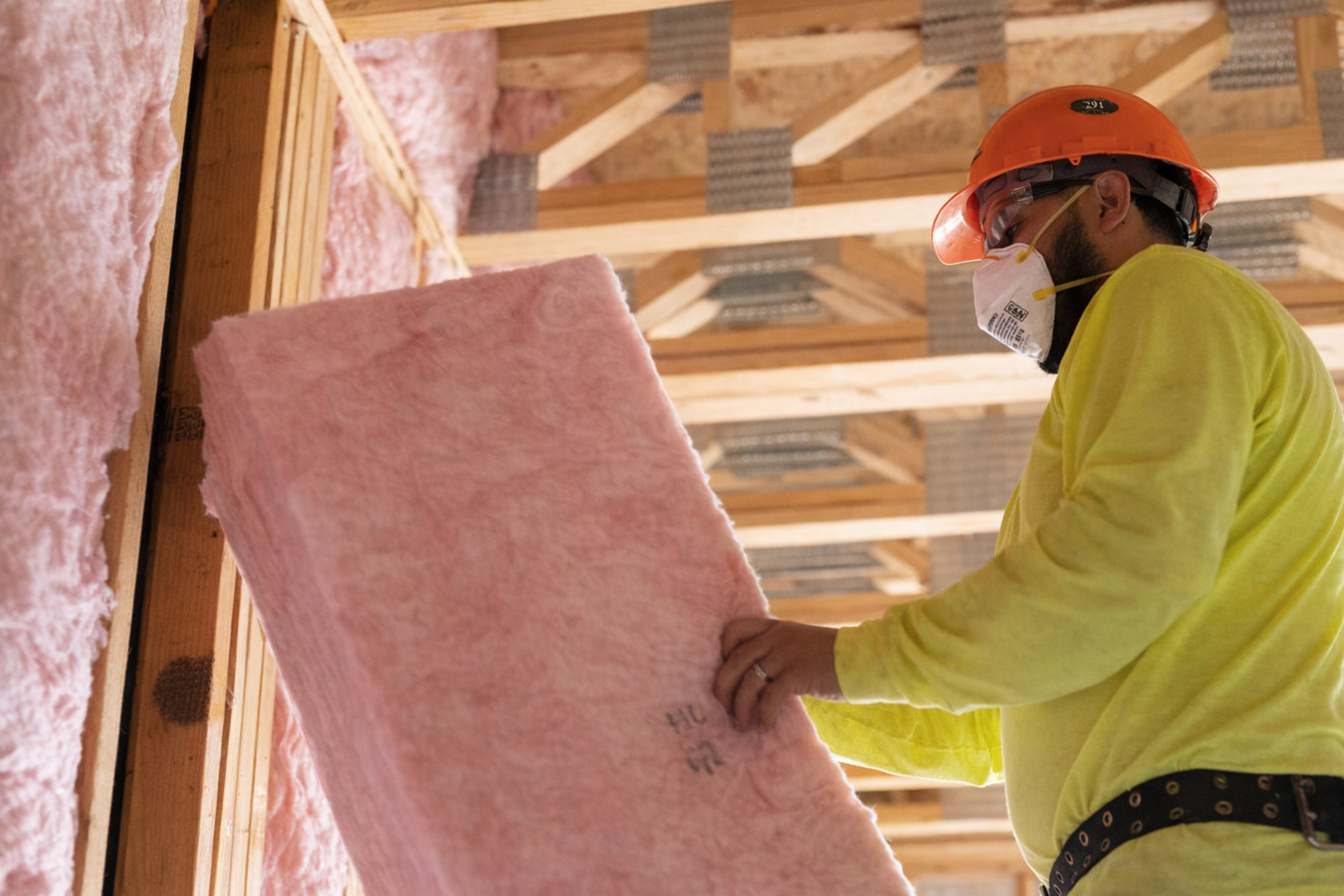
You do not need to gut your walls or start a renovation to get a better-insulated home. Retrofit insulation adds material to your existing attic, walls, and crawl spaces - no major disruption and one-day turnaround for most Stephenville homes.
Retrofit insulation in Stephenville means adding insulation to a home that is already built - without tearing out walls or starting from scratch - most attic jobs in an average-sized home take one day or less and require no major disruption to the household.
For most Stephenville homeowners, the attic is the single highest-impact place to start. In a Texas summer, an under-insulated attic can reach extreme temperatures and force your AC to run almost continuously just to keep the living space tolerable. Adding insulation to the attic floor is typically the most cost-effective upgrade available, and the savings tend to show up quickly in a climate this hot. If your home also has air leaks in the attic floor - which is common in homes built before the 1990s - pairing retrofit insulation with spray foam insulation for gap sealing delivers the best combined result.
Retrofit work is also a practical option for homeowners who have already addressed the attic and want to tackle wall cavities or other areas. It connects naturally with broader home insulation planning for a whole-house approach to energy efficiency.
If your cooling costs in June, July, and August feel out of proportion to the size of your home - or if your Oncor bill has crept up year after year even though your habits have not changed - poor attic insulation is one of the most common culprits. In Stephenville's climate, an under-insulated attic makes your air conditioner work far harder than it should. That extra strain shows up directly on your bill every month.
If one bedroom bakes in the afternoon while the living room stays comfortable, uneven insulation is often the reason. This is especially common in Stephenville homes built in the 1970s and 1980s, where insulation was sometimes applied unevenly or skipped in certain attic sections. A contractor can check the depth and distribution in those problem areas specifically.
On a 100-degree Stephenville afternoon, hold your hand near the ceiling in your hottest room. If you can feel warmth radiating downward, heat is moving through your attic floor into your living space - which means the insulation between you and that superheated attic is not doing its job. This is one of the clearest signs that adding insulation will make a noticeable difference in comfort.
Homes built before the mid-1990s in Stephenville were constructed under older building codes that allowed much thinner insulation than what is recommended today. If you have never had insulation added or upgraded, you are almost certainly running below current efficiency recommendations and paying for it every month. A quick attic inspection will tell you exactly how much is there and how much more you need.
We install blown-in loose-fill insulation for attics and wall cavities, and spray foam for tighter spots where a firm seal matters most. Every job starts with a measurement of what is already in the attic so you have a clear before-and-after number. We seal air leaks first - including gaps around recessed lights, pipes, and top plates - before adding any insulation on top, because skipping that step leaves a lot of savings on the table. The U.S. Department of Energy recommends R-38 to R-60 for attics in North-Central Texas - we will tell you exactly where your home stands and what it will take to get there. We also help homeowners understand whether Oncor rebates or the federal tax credit apply to their project before work begins.
For homes where the attic is already in good shape, we also assess whether spray foam insulation in rim joists or wall cavities would deliver additional comfort gains. And for homeowners thinking about the full picture, home insulation planning can help you prioritize which areas to address first for the fastest return.
The most common retrofit solution for Stephenville attics - loose-fill fiberglass or cellulose fills gaps evenly across the attic floor with minimal disruption to the household.
Dense-pack blown-in material fills existing wall cavities through small drilled openings - suited to older Stephenville homes with drafty exterior walls and single-pane windows.
Targets the gap between the foundation and the floor framing - a common air and heat bypass point in older homes that blown-in material cannot address on its own.
For homes where gaps and leaks are part of the problem - we seal the attic floor first, then add insulation on top so the two improvements compound each other.
Stephenville sits in Erath County in North-Central Texas, where summer temperatures regularly climb above 100 degrees and an under-insulated attic can reach extreme heat on a July afternoon, forcing your air conditioner to run almost continuously. Many homes in Stephenville's established neighborhoods - particularly those built before the 1990s - were constructed when insulation standards were far lower than they are today. If your home is more than 25 to 30 years old and has never had insulation added, there is a good chance you are losing a significant amount of cooled air every summer. This is a pattern we see regularly across the area, including in communities like Granbury where the housing stock is similar and the climate equally demanding.
Most of Stephenville is served by Oncor Electric Delivery, which has historically offered rebate programs for homeowners who upgrade insulation to qualifying efficiency levels. This means the actual cost of your project may be lower than the initial quote once rebates are applied - but you typically need to complete the work and submit documentation within a specific window. Homeowners in the Cleburne area and other parts of the Oncor service territory face the same situation. The North American Insulation Manufacturers Association publishes helpful guidance on installation standards for blown-in and spray foam materials if you want to understand what good work looks like before you hire anyone.
The first conversation is short - we ask about your home's age, size, and what has been bothering you. From there, we schedule a time to come out and take a look, which is free and carries no obligation. We reply within 1 business day, often the same day.
We go into your attic - and your crawl space if you have one - to measure existing insulation depth and check for air leaks. You will get a clear picture of what you have now, where the thin spots are, and what the job will involve before any commitment is made.
After the assessment you receive a written quote that spells out the material, the target depth or R-value, whether air sealing is included, and the total cost. This is also the right time to ask about Oncor rebates or federal tax credits that might apply to your project.
The crew seals any air leaks first, then blows in insulation to the target depth across the attic floor. Most jobs take between two and six hours. Before leaving, we confirm the finished depth matches what was quoted and provide any documentation you need for a rebate or tax credit claim.
Free assessment, written estimate, no obligation. Most homeowners hear back within 1 business day.
(254) 362-0219Every job starts with a measurement of what is currently in the attic, stated in plain numbers you can verify. When we are done, we show you the finished depth and confirm it matches what was quoted. You should not have to take our word for it - you should be able to go up there and see it yourself.
We seal air leaks before adding insulation - not as an upsell, but because skipping that step means the insulation never performs as expected. This is the step most contractors do not mention until you ask, and it is often the reason homeowners are disappointed after a previous job did not lower their bills.
We know what documentation Oncor needs and can help you understand whether your project qualifies before the work starts. We also provide the receipts and material details you need to claim the federal tax credit. Capturing those savings can meaningfully reduce your out-of-pocket cost - and we want you to know about them before you commit.
We have been working in Stephenville and Erath County since 2018. We know the brick homes built in the 1960s and 1970s, the rental properties near Tarleton State that have never had energy work done, and the older farmhouses with attic framing that makes access tricky. The IRS Energy Efficient Home Improvement Credit is a resource worth reviewing before your project to understand what documentation you will need at tax time.
We are a local contractor. We do not subcontract, and we stand behind every job. If you have questions after we leave, call us - we will give you a straight answer.
Closed or open-cell spray foam for rim joists, wall cavities, and other spots where blown-in insulation cannot create a complete air seal.
Learn MoreWhole-home insulation planning that covers every area - attic, walls, crawl space, and basement - for a complete approach to energy efficiency.
Learn MoreSummer in Erath County waits for no one - lock in your installation date before the heat hits and your calendar fills up.